Landing after a long-haul flight only to face a chaotic, 90-minute immigration queue is the absolute last thing you want. Yet, for many unprepared tourists, this is the reality.
If you are planning your first trip in 2026, having an up-to-date and reliable Vietnam airport guide is your ultimate key to a stress-free arrival. In this comprehensive guide, we bypass the generic advice to give you the exact arrival blueprint. From navigating the strict new digital visa requirements and avoiding common taxi scams, to the insider secret for skipping the queues entirely – here is everything you need to master your first 60 minutes in the country. Let’s dive in!
Pre-arrival preparation: Visas and essential documents
A seamless airport experience does not begin when you land; it begins weeks before your departure. The Vietnamese government has significantly upgraded its entry systems in recent years, shifting heavily towards digital processes.
The complete Vietnam e visa 2026 update
For the vast majority of international travelers, securing the Vietnam e visa 2026 is the most efficient, secure, and highly recommended way to enter the country. Currently, citizens of all countries and territories are officially included in the Vietnam e visa country list, meaning almost everyone can apply directly online through the National Web Portal on Immigration.
Under the updated policies, tourists and business travelers can enjoy a Vietnam e visa 90 days validity period. This generous timeframe allows for extensive exploration from the mountainous north to the tropical south. Furthermore, during the application process, you have the flexibility to select either a single-entry visa or a Vietnam e visa multiple entry. The multiple-entry option is particularly useful if your itinerary involves side trips to neighboring countries like Cambodia, Laos, or Thailand before returning to Vietnam.
How to submit your Vietnam digital arrival card 2026
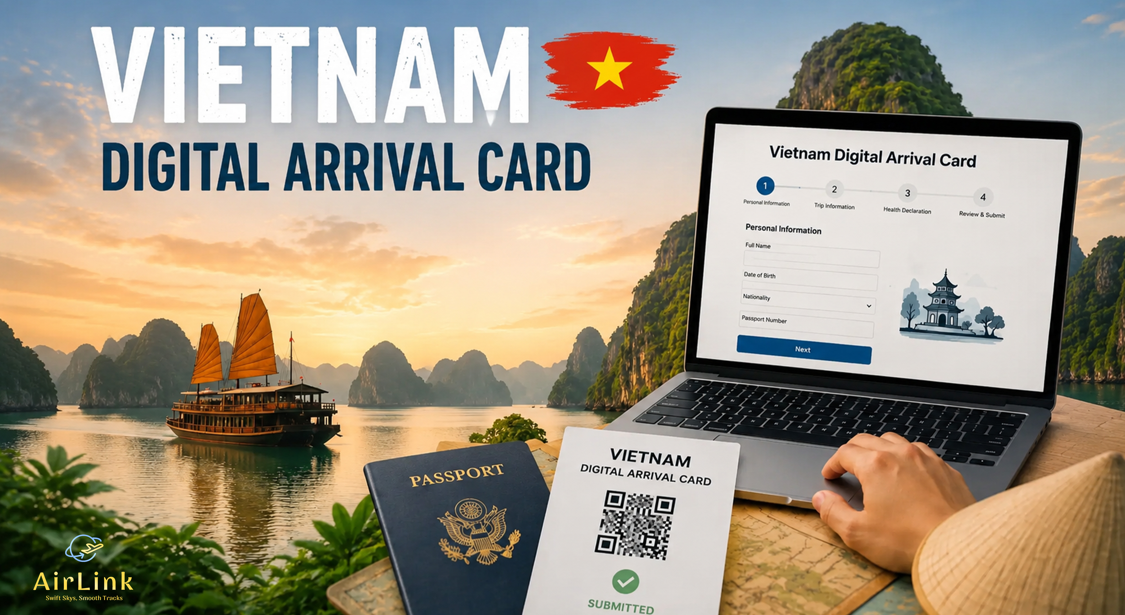
Paper arrival cards are a thing of the past. As of April 15, 2026, the immigration authority mandates that all international passengers must complete their Vietnam digital arrival card 2026 at least 24 hours before their scheduled boarding time.
You can fill out this health and customs declaration form online via the official portal. Once completed, the system will generate a unique QR code. You must save this QR code on your mobile device or print it out. Airlines will check this code before allowing you to board, and immigration officers will scan it upon your arrival.
List of airport in vietnam – major international gateways
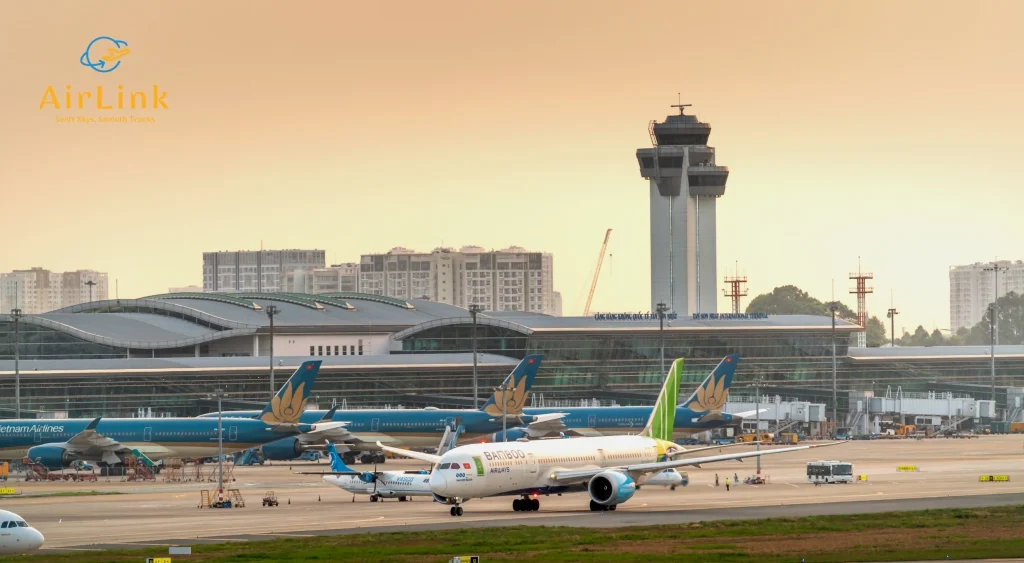
While the country boasts numerous airports – Vietnam operates over 20 domestic and international airports connecting you to stunning destinations like Phu Quoc, Nha Trang, Hai Phong, ect. – international visitors typically fly into one of the three major hubs. Knowing the characteristics of your specific arrival gateway can help set your expectations.
| Criteria | Tan Son Nhat (SGN) – HCMC | Noi Bai (HAN) – Hanoi | Da Nang (DAD) – Central |
|---|---|---|---|
| Characteristics | Busiest, most crowded hub | Spacious, modern terminal | Efficient, user-friendly |
| Distance to City | 8 kilometers | 30 kilometers | 3 kilometers |
| Typical Queue | Longest wait times | Moderate wait times | Shortest wait times |
Beyond these three primary gateways, if your itinerary includes multiple domestic flights, or if you want a deep dive into specific terminal maps, lounge facilities, and regional hubs, explore our complete Vietnam Airport List: A Detailed Guide to All 22 Gateways.
Arrival process: A step-by-step Vietnam airport guide
Whether you touch down in the energetic streets of Ho Chi Minh City or the historic capital of Hanoi, the fundamental arrival flow remains nearly identical. Here is your chronological walkthrough to navigate the terminal with confidence.
Step 1: Immigration counters and essential Vietnam airport rules
As soon as you disembark from the aircraft, follow the clear overhead signs directing you to “Arrivals” or “Passport Control.” Have your passport, E-visa, and digital arrival QR code ready in your hand.
While waiting in line, it is crucial that you strictly observe basic Vietnam airport rules. Keep your voice down, refrain from using your mobile phone to make calls, and absolutely do not take photographs or record videos in the immigration area. You must stand behind the designated yellow line until the officer waves you forward.
Step 2: Baggage claim and navigating Vietnam airport security
Once your passport is stamped, walk past the counters and take the escalator down to the baggage claim carousels. Check the large digital monitors to locate the carousel assigned to your specific flight number.
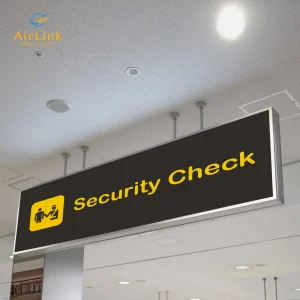
After collecting your suitcases, you will proceed toward the exit doors. However, there is one final step. All passengers must pass their luggage through Customs. The Vietnam airport security personnel conduct this X-ray check relatively fast, but it is a mandatory procedure. Ensure you do not carry prohibited items such as fresh fruits, raw meats, or excessive amounts of undeclared foreign currency to avoid fines.
Step 3: Where to buy a reliable Vietnam airport sim card
Welcome to the public arrival hall! The moment you step through the sliding glass doors, you will see a vibrant array of shops, cafes, and kiosks. Before leaving the air-conditioned building, it is highly recommended to purchase a Vietnam airport sim card.
Having immediate internet access is vital for navigating the city, translating phrases, and booking transport. Authorized stalls for major network providers like Viettel, Vinaphone, and Mobifone are lined up right outside the baggage claim area. Viettel generally offers the widest coverage. The staff at these kiosks speak English and will help you register the SIM card and install it into your phone within minutes.
Step 4: Transportation and understanding your Grab Vietnam airport fee
The final hurdle of your airport journey is getting to your accommodation. Avoid random individuals who approach you inside the terminal offering “cheap taxi” rides; these are often unofficial touts who will overcharge you.
The safest and most transparent method is to book a ride using the Grab application (which operates similarly to Uber). To ensure you are paying the correct amount, always rely on the exact Grab Vietnam airport fee displayed on your screen before confirming the booking. Keep in mind that the final Grab Vietnam airport fee charged to your card or paid in cash will automatically include a minor airport toll surcharge (usually around 10,000 to 15,000 VND). The driver pays this fee at the exit gate, and it is legally added to your total fare.
Pro tip: Experience a fast track Vietnam airport arrival
Let’s be honest: after a grueling 15-hour flight, standing in a crowded 90-minute immigration line can easily ruin your first day. Whether you are traveling with exhausted children, arriving late at night, or visiting on a tight corporate schedule, your time and energy are simply too valuable.
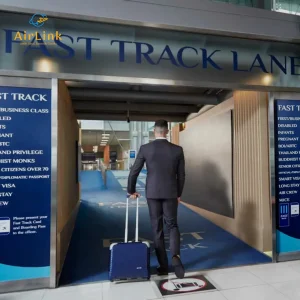
The ultimate hack used by seasoned travelers and VIPs is securing a premium fast track Vietnam airport arrival service from a trusted provider like Airlink before they fly. This service completely transforms your experience from chaotic to effortless. Upon stepping off the plane, a dedicated professional greeter will meet you right at the aircraft gate. They will escort you past the massive crowds directly to an exclusive VIP immigration lane, assist with lifting your heavy luggage, and guide you straight to your waiting car.
5. Frequently asked questions (FAQ)
To wrap up this comprehensive guide, we have compiled answers to some of the most common questions asked by first-time visitors.
- Are there ATMs and currency exchange counters available upon arrival? Yes, absolutely. Once you clear customs and enter the public arrival hall, you will find several currency exchange counters and ATMs from reputable local and international banks. It is advisable to exchange a small amount of cash here to pay for immediate expenses.
- Do I need a physical SIM card or can I use an eSIM? Both options are readily available and widely supported. You can easily purchase a physical Vietnam airport sim card at the arrival hall kiosks. Alternatively, if your smartphone supports it, you can buy and download a local eSIM package online before your flight.
- How early should I arrive at the airport for my departure flight? For international flights leaving Vietnam, airlines strictly recommend arriving at least 3 hours before your scheduled departure time. Traffic in major cities can be highly unpredictable.
- Is it possible to sleep at the airport if I have a long layover? Yes. Both Noi Bai (Hanoi) and Tan Son Nhat (Ho Chi Minh City) offer sleep pods or transit lounges within the international terminals that can be rented by the hour.
- Can I smoke inside the airport terminals? In accordance with strict Vietnam airport rules, smoking is completely prohibited in all general indoor areas, including restrooms and restaurants. If you need to smoke, you must use the specifically designated, enclosed smoking rooms located in certain parts of the terminal.
Hotline: +84 907066106
Email: airlink.fasttrack.vn@gmail.com